JD Tour Group Tours
We have extensive experience arranging group tours to Japan for visitors from Malaysia, Singapore, Taiwan, China and many other countries. In addition to company trips, incentive tours and training trips, we also handle highly themed group tours, such as student inspection and study trips, and tours composed entirely of shojin ryori (Buddhist vegetarian cuisine) meals. For barrier-free arrangements and anniversary presentations, please also see the Themes & Special Occasions page. Below are some examples of our popular courses. Each course is created individually to suit your group size and purpose.

Popular Course 1 Crossing Honshu's Popular Spots
Travel from Tokyo to Osaka, visiting popular sightseeing spots along the way.


Popular Course 3 Osaka
Centered on Osaka, tour three cities with very different characters: the ancient capital Kyoto and the port city Kobe.
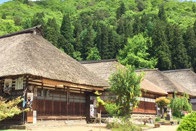
Popular Course 4 Tohoku
From Nikko and Aizu to Zao and Matsushima. A course touring post towns, hot springs, and mountain and sea scenery.
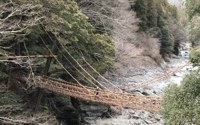
Popular Course 5 Shikoku
From Awaji Island and Naruto to the Kazurabashi vine bridge in Iya and Dogo Onsen. A course touring Shikoku's nature, history and hot springs.
| Popular Course 1 (Crossing Honshu's Popular Spots) | ||
|---|---|---|
| Day 1 | Arrive in Tokyo — free time after arrival — dinner at the hotel | Stay in Tokyo Dinner |
| Day 2 | Asakusa — Akihabara — Tokyo Disneyland Senso-ji Temple: One of the oldest temples in Tokyo, founded about 1,400 years ago. Akihabara: A district with one of Japan's largest selections of electronics, and also a hub of subculture. Tokyo Disneyland: One of the largest theme parks in Asia. |
Stay in Tokyo Breakfast, Lunch |
| Day 3 | Imperial Palace — Ginza — Odaiba — Owakudani (Hakone) — Lake Ashi — Peace Park Imperial Palace: The residence of the Emperor and Empress, and the historic site of Edo Castle. Odaiba: An entertainment and shopping spot on Tokyo Bay. Owakudani, Hakone: The remains of a crater from an eruption 3,000 years ago; sulfur steam still rises today. Lake Ashi: A lake formed by volcanic activity, with beautiful scenery reflecting Mt. Fuji. Peace Park: A natural park with a Buddhist stupa in Indian Buddhist architectural style |
Stay in the Hakone area Breakfast, Lunch, Dinner |
| Day 4 | Mt. Fuji 5th Station — Oshino Hakkai — Lake Hamana (passing) — Nagoya Mt. Fuji: At 3,776 m above sea level, Japan's highest peak. Oshino Hakkai: Spring ponds fed by the underground water of Mt. Fuji. Lake Hamana: Japan's second-largest freshwater lake, famous as a production area of eels. |
Stay in Nagoya Breakfast, Lunch, Dinner |
| Day 5 | Kinkaku-ji — Nishijin Textile Center — Heian Shrine — Osaka Castle — Shinsaibashi Kinkaku-ji: Its official name is Rokuon-ji, a sub-temple of Shokoku-ji. It is commonly called Kinkaku-ji because its reliquary hall, the "Golden Pavilion," is especially famous. Shinsaibashi: Osaka's largest shopping area. Osaka Castle: Built by Toyotomi Hideyoshi. It burned down at the end of the Edo period but has since been restored. |
Stay near Kansai Airport Breakfast, Lunch, Dinner |
| Day 6 | Return home after breakfast | Breakfast |
| Popular Course 2 (Tokyo) | ||
|---|---|---|
| Day 1 | Arrive in Tokyo — Imperial Palace — Ginza Imperial Palace: The residence of the Emperor and Empress, and the historic site of Edo Castle. |
Stay in Tokyo Dinner |
| Day 2 | Tokyo Disneyland Tokyo Disneyland: One of the largest theme parks in Asia. |
Stay in Tokyo Breakfast |
| Day 3 | Owakudani (Hakone) — Lake Ashi — Peace Park — Mt. Fuji 5th Station — Oshino Hakkai Owakudani, Hakone: The remains of a crater from an eruption 3,000 years ago; sulfur steam still rises today. Lake Ashi: A lake formed by volcanic activity, with beautiful scenery reflecting Mt. Fuji. Peace Park: A natural park with a Buddhist stupa in Indian Buddhist architectural style Mt. Fuji: At 3,776 m above sea level, Japan's highest peak. Oshino Hakkai: Spring ponds fed by the underground water of Mt. Fuji. |
Stay in the Hakone area Breakfast, Lunch, Dinner |
| Day 4 | Asakusa — Akihabara — Meiji Shrine — Odaiba Senso-ji Temple: One of the oldest temples in Tokyo, founded about 1,400 years ago. Akihabara: A district with one of Japan's largest selections of electronics, and also a hub of subculture. Meiji Shrine: Meiji Shrine is dedicated to Emperor Meiji and Empress Shoken, and is an important shrine of the Shinto religion. Odaiba: An entertainment and shopping spot on Tokyo Bay. |
Stay near the airport Breakfast, Lunch, Dinner |
| Day 5 | Return home after breakfast | |
| Popular Course 3 (Osaka) | ||
|---|---|---|
| Day 1 | Arrive in Osaka After entering Japan, rest at the hotel |
Stay near the airport |
| Day 2 | Kobe Port — Kobe Harborland — Nankinmachi Chinatown Kobe Port: One of Japan's major international trading ports (one of the five major ports). Many buildings developed as a foreign settlement in the Meiji era still remain in Kobe's city center, and the area around Harborland and Meriken Park — famous for its exotic cityscape and as a night-view spot in Kobe — is also a very popular tourist destination. |
Stay in Osaka Breakfast, Lunch, Dinner |
| Day 3 | Arashiyama — Heian Shrine (Kyoto) — Nishijin Textile Center — Kiyomizu-dera Temple |
Stay in Kyoto Breakfast, Lunch, Dinner |
| Day 4 | Osaka Castle Park — Shinsaibashi — Universal Studios Japan |
Stay near the airport Breakfast, Lunch |
| Day 5 | Return home after breakfast | |